7 Essential Steps to Successful Trading
· based on the channel Tori Trades
Trading is often perceived as complex, but it can be straightforward with the right system. Successful trading does not require an economics degree or expert math skills. Instead, it relies on practical strategies such as trendline analysis, risk management, and disciplined trade tracking. You can join a waitlist to get access to advanced trading resources here: Tori Trades Waitlist.
Understanding Trading Basics
Trading involves buying and selling financial instruments like futures, forex, or stocks to profit from price movements. The futures market, where contracts to buy or sell assets at a future date are traded, offers opportunities for day trading and swing trading. Trendlines are fundamental tools that help identify market direction by connecting price highs or lows.
Effective trading means recognizing the trend and entering trades aligned with it. As one popular saying goes, "the trend is your friend until the bend at the end," meaning traders should ride trends but be cautious when they show signs of reversal.
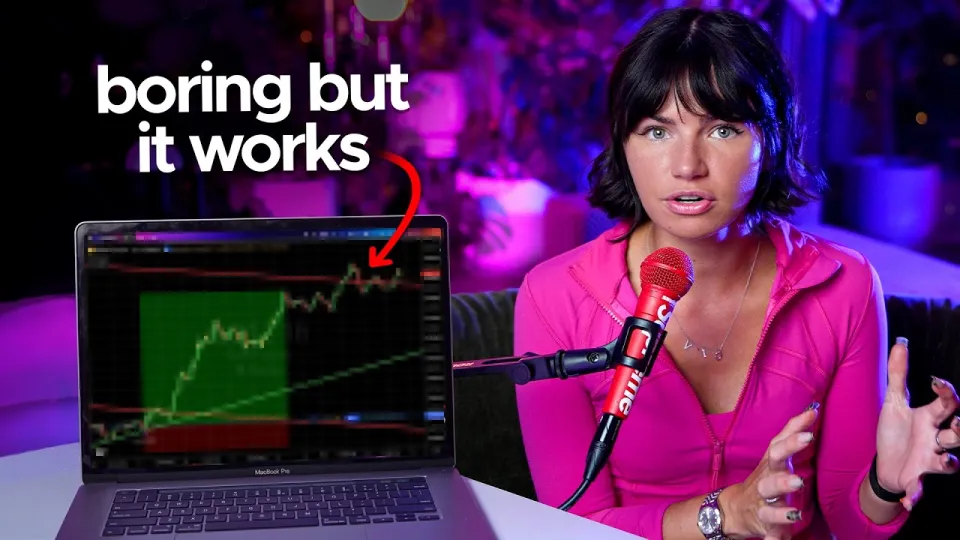
Building a Simple Trading System
A simple trading system can be built step-by-step without complicated indicators. Start with:
- Drawing clear trendlines on your TradingView charts.
- Identifying entry points when price bounces off these trendlines.
- Setting stop loss orders just below the trendline bounce to limit risk.
- Planning exits based on price reaching resistance levels or signs of trend weakening.
This method removes guesswork and helps maintain discipline. It works well in futures trading, where quick decisions and precise timing are essential.
Managing Risk and Volatility
Gold and other commodities can be very volatile, with price swings occurring in seconds. For instance, gold prices might suddenly accelerate from a slow pace to rapid movement, causing large gains or losses. Managing risk is essential:
- Always use stop losses placed strategically, such as just beyond the bounce point on a trendline.
- Monitor trades actively to exit quickly if the market turns unexpectedly.
- Limit trade size to control the amount at risk.
Ignoring these precautions can lead to significant losses, especially in fast-moving markets.
Tracking Your Trades for Consistency
Keeping detailed records of your trades improves performance and discipline. Using trade journaling software like TradeZella (with discount code TORI20) helps track entry, exit, profit, loss, and the rationale behind each trade.
This process reveals patterns in your trading behavior, strengths, and weaknesses, enabling continuous improvement. It also helps verify that your system works over time rather than relying on luck.
Common Trading Questions and Misconceptions
Many traders ask about stop loss placement, trade re-entry, and differences between commodities and stock trading:
- Stop losses should be set just below the recent trendline bounce to protect against sudden price drops.
- If a candle closes green and price moves up after exit, new entries can be considered per your system rules.
- Stock trading often involves more algorithmic influence, potentially making it harder to predict price moves compared to futures or commodities.
Understanding these nuances is vital for adapting your strategy to different markets.
Useful Links
- Join the Tori Trades Waitlist for exclusive trading system access: https://go.toritradez.com/waitlist-1009
- Track trades with TradeZella software: https://www.tradezella.com/?via=victoria
- Broker used by Tori Trades: https://www.tradestation.com/promo/toritrades/
Conclusion
Trading success comes from simplicity, discipline, and risk management rather than complex math or degrees. By using trendlines, managing volatility, and tracking trades consistently, traders can build a reliable system. The channel Tori Trades offers clear, step-by-step guidance to develop such a system and encourages testing strategies on platforms like TradingView. To begin your trading journey with a proven framework, consider joining the Tori Trades Waitlist today.
Key takeaways
- Trading does not require advanced economics or math skills.
- Trendlines and liquidity concepts are key tools in trading futures and forex.
- Managing risk with proper stop loss placement is crucial.
- Trade tracking software enhances performance and discipline.
- Understanding market volatility helps avoid large losses.
Source: Unfortunately, trading really is this simple · Markdown version
Questions & answers
How should I set stop losses in a trendline trading system?
Stop losses should be placed just below the trendline bounce point to protect your position from sudden adverse price moves while allowing for normal market fluctuations.
Can I re-enter a trade if the price turns green after exiting?
Yes, if your system rules allow, a new green candle and upward movement after exit can signal a fresh entry opportunity, but always confirm with your strategy criteria.
What makes trading futures different from stock trading?
Futures trading often involves more direct price movement and less algorithmic interference compared to stocks, which can be heavily influenced by automated trading and corporate events.
How can I manage risk in volatile markets like gold?
Managing risk involves using stop losses, limiting trade size, and actively monitoring trades to exit quickly if prices move sharply against you, as commodities like gold can change rapidly.